A common misconception among drivers leasing a vehicle is that long-term paint protection is an unnecessary expense for a car you will return in three years. The prevailing logic seems simple: "Why invest in protecting a vehicle I don't technically own?"
However, anyone who has navigated a dealership lease turn-in inspection knows that the reality can be financial shock. Lease contracts contain strict guidelines regarding excess wear and tear. Deep stone chips, severe swirl marks, chemical etching from bird droppings, and winter road salt damage frequently result in thousands of dollars in unexpected penalties.
Choosing to protect leased car surfaces with specialized Paint Protection Film (PPF) and ceramic coatings is not about preserving the car for the next owner—it is a smart financial strategy to avoid lease return fees while enjoying a pristine, head-turning vehicle every single day of your lease term.
Here is an in-depth breakdown of how protective solutions work on leased vehicles, how inspectors evaluate damage, and why leased car paint protection pays for itself in peace of mind and financial savings.
The Harsh Reality of Lease Return Inspections
When your 36-month lease comes to an end, the finance company sends an independent third-party inspector to evaluate the car lease return condition. Inspectors do not conduct casual walkarounds; they use specialized measuring tools, depth gauges, and standardized "wear-and-use" templates.
Inspectors follow strict contractual criteria to differentiate between normal wear and billable damage:
- Acceptable Minor Wear: Minor hairline scratches under two inches that can be buffed out, pinhead-sized rock chips that haven't exposed raw metal, and normal mechanical tire wear.
- Excess Wear (Billable Damage): Multiple deep stone chips pitted across front bumpers, scratches that cut through the clear coat into the primer, chemical etchings from bird droppings or tree sap, paint dullness/oxidation, and bubbling rust caused by road salt exposure.
Dealerships do not perform cosmetic reconditioning at discounted rates. If an inspector flags a chipped hood or scratched front bumper, you are billed full body-shop retail rates for sanding, priming, blending, and repainting those panels before handing back the keys.
Strategic PPF Application: Is It Worth Wrapping a Leased Car?
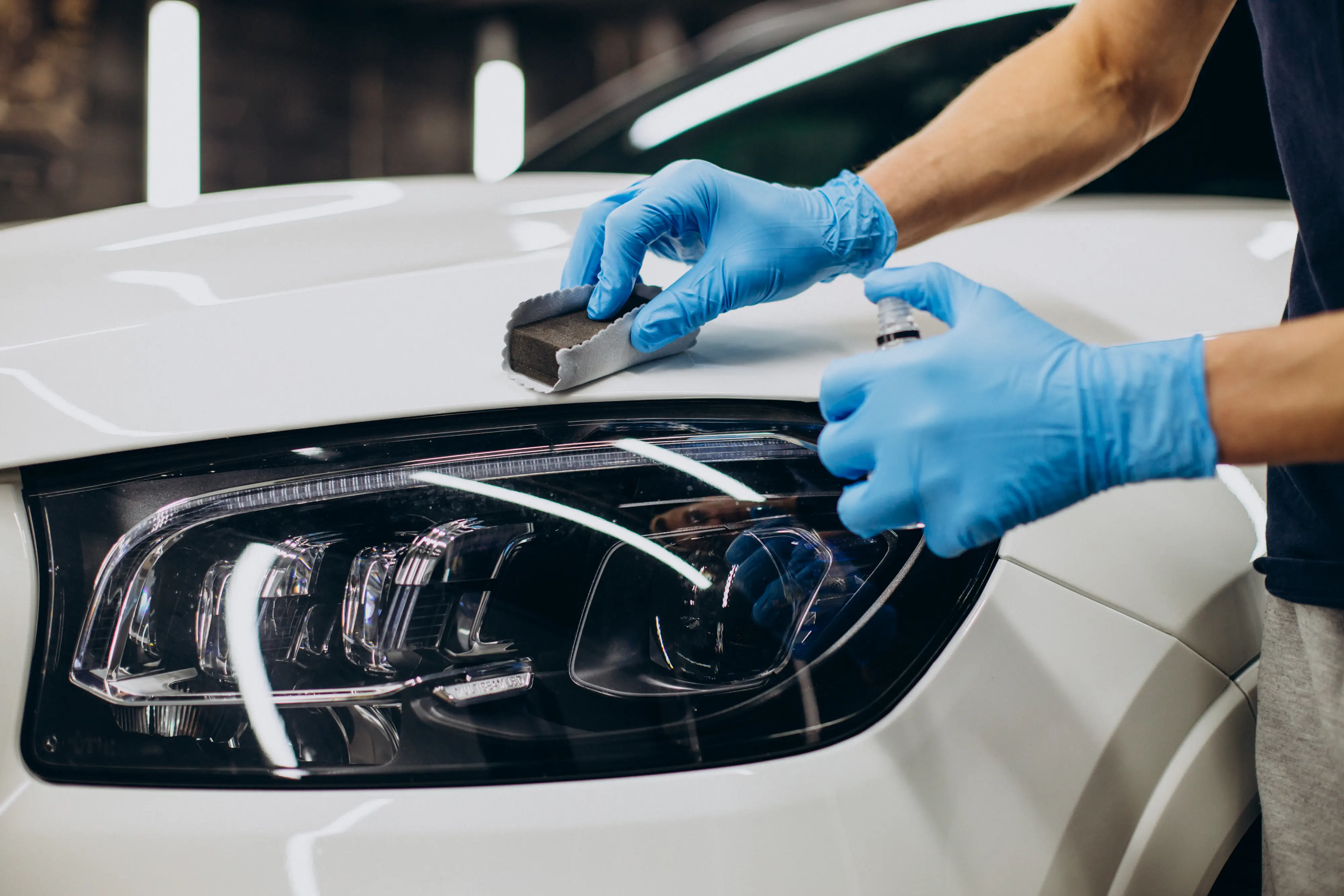
When asking is it worth wrapping a leased car, the answer comes down to targeted impact defense. You do not need to spend thousands of dollars wrapping the entire vehicle in film for a three-year lease. Instead, applying a targeted clear bra lease vehicle package focuses solely on high-vulnerability impact zones.
High-Impact Protection Zones
Applying ppf on leased car front ends shields the exact panels inspectors penalize most heavily:
- Front Bumper: Absorbs highway gravel, airborne debris, bug splatter, and low-speed parking lot scuffs.
- Hood Leading Edge: Prevents deep stone chips along the most visible paint margin of the vehicle.
- Side Mirrors & Door Edges: Guards against highway rock strikes, tight parking garage poles, and accidental door dings against concrete walls.
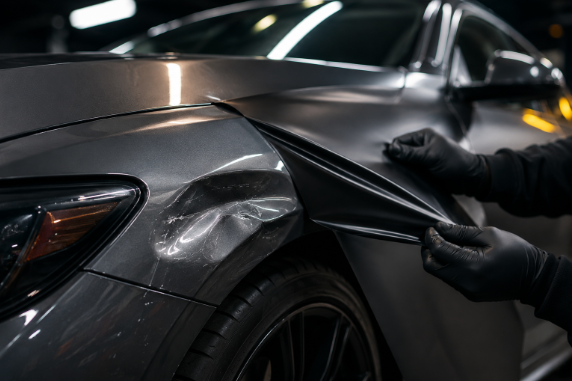
Because premium Thermoplastic Polyurethane (TPU) film is 100% removable, it protects your OEM factory clear coat throughout your lease. At turn-in time, the film can be removed cleanly by a professional to reveal untouched, factory-fresh paint underneath—guaranteeing zero rock-chip penalties.
Ceramic Coating a Leased Car: Microscopic Chemical Defense
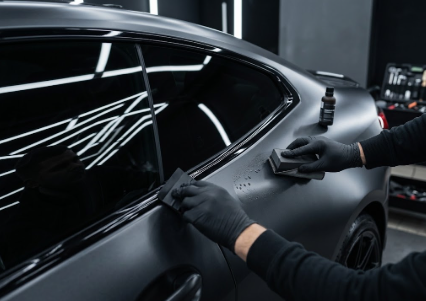
While PPF provides heavy-duty physical armor against kinetic impact, applying a ceramic coating leased car treatment provides microscopic chemical defense across the remaining body panels.
Essential Benefits of Ceramic Coating During a Lease
- Chemical & Salt Resistance: Vehicles driven in regions with severe winter weather face relentless exposure to magnesium chloride and liquid road salt. Ceramic coatings form a non-porous chemical barrier that prevents salt brine from etching into the clear coat.
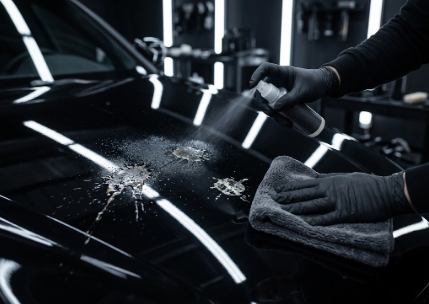
- Hydrophobic Self-Cleaning: Dirt, slush, mud, and brake dust slide off effortlessly. This eliminates the need for harsh automatic car washes that leave spiderweb swirl marks across dark paint.
- UV & Oxidation Defense: Prevents sun fading, clear coat dullness, and environmental contamination, ensuring bright and dark paints look showroom-fresh for all 36 months.
The Hidden Advantage: Preserving Equity and Buyout Flexibility
Protecting your leased car does more than just protect you against penalty fees at the end of your contract—it also gives you financial leverage during your lease term.
1. Early Trade-In or Lease Transfer
If you decide to exit your lease early or transfer it to another driver, a vehicle with immaculate factory paint attracts buyers instantly and commands higher trade-in allowances from dealerships.
2. Capturing Equity via Lease Buyout
If market conditions make your leased vehicle worth more than its contractual residual value at the end of 36 months, you can buy out the vehicle or sell it to a third party for a profit. Having flawless, scratch-free paint ensures you receive top market value when flipping or purchasing the vehicle.
Smart Protection Strategy: The Lease-Prep Package
To maximize protection while keeping costs practical for a three-year commitment, professional detailers recommend a balanced "Lease Protection Strategy":
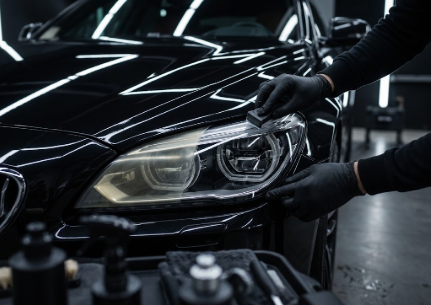
- Partial Front Clear Bra: Cover the front bumper, headlight lenses, side mirrors, and partial hood with self-healing PPF to stop rock chips.
- Entry-Level Ceramic Coating: Apply a 3-year ceramic coating over all painted panels, exterior glass, and wheel faces to prevent chemical staining and simplify washing.
- Door Cup & Edge Guard Film: Apply small, clear film strips inside door handle cups and along door margins to prevent fingernail scratches and garage-wall chips.
If you are seeking professional chicago lease car prep or specialized auto detailing for lease return services, choose an experienced facility that understands local climate hazards—such as aggressive winter road salt and freeway gravel—and offers tailored protection packages designed specifically for leased vehicles.
The Verdict: Drive with Peace of Mind
Protecting a leased vehicle is a smart financial decision that prevents unexpected fees:
Invest in Protection for Your Leased Car if: You commute on gravel-heavy highways, live in regions with severe winter road salt, park in tight urban environments, or want to guarantee a stress-free, penalty-free lease return experience.
By taking a proactive, targeted approach to vehicle preservation, you eliminate the threat of unexpected turn-in fees, maintain potential equity in your vehicle, and enjoy driving a pristine, showroom-quality car for the entire length of your lease.