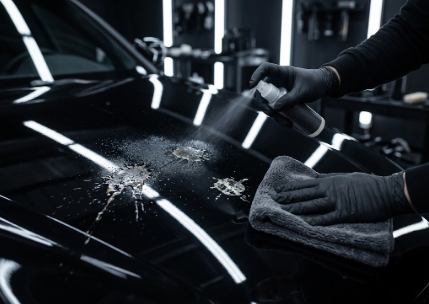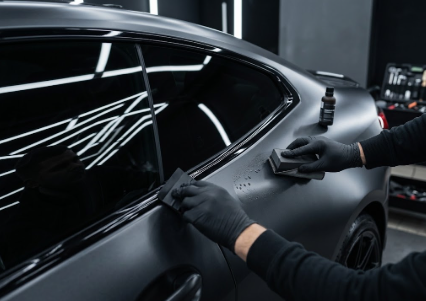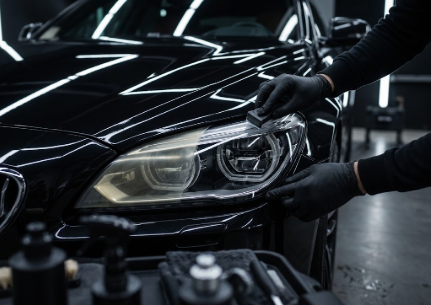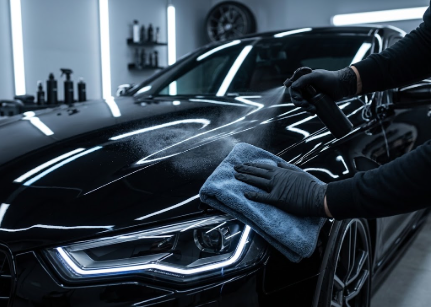
When facing flaking clear coat, deep rock chips, or door dings, wrapping your vehicle in a fresh layer of premium vinyl seems like a fast, economical way to disguise body flaws. Achieving a dramatic color change over bad paint sounds like the ultimate cosmetic shortcut. However, one of the biggest misconceptions in automotive restyling is that vinyl wrap acts like spackling compound or body filler to conceal surface defects.
Can you wrap damaged car panels? The short answer is: Technically yes, but practically no.
Applying vinyl over compromised body panels leads to poor adhesion, visible surface telegraphing, and premature wrap failure. Here is an in-depth guide explaining why vinyl requires a sound foundation, what happens when you attempt to wrap over specific types of damage, and the essential preparation required before installation.
The Physics of Vinyl: Why Film Mirrors Imperfections
Vehicle wrap film is extremely thin—typically around 3 to 4 mils (0.07–0.10 mm). Cast vinyl is engineered to be soft and conformable, acting like a second skin rather than a rigid shield. Instead of bridging gaps or leveling out surfaces, it conforms tightly to every ridge, valley, and texture beneath it—a phenomenon known in the industry as "telegraphing."
1. Scratches, Rock Chips, and Gouges
Attempting to wrap over scratches or deep rock chips will not smooth out the panel. The vinyl will press directly into the crevice, causing the exact shape and border of the scratch to outline clearly through the film. Under bright sunlight or artificial street lighting, these telegraphing outlines often look more pronounced than they did on the raw paint.
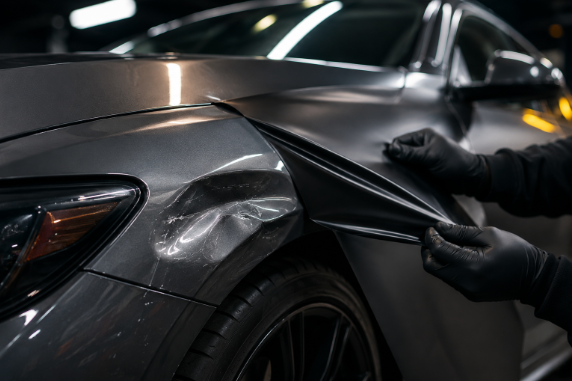
2. Dents, Creases, and Hail Damage
Attempting to hide dents with car wrap materials is equally ineffective. While matte or satin finishes reflect light less harshly than high-gloss films, the shadow cast by a dent remains fully visible. Furthermore, stretching vinyl over sharp dent edges introduces uneven surface tension, which can cause the film to lift or bubble over time.
3. Peeling or Oxidized Clear Coat
If your vehicle’s clear coat is flaking, peeling, or chalking, applying vinyl creates a major failure point. The pressure-sensitive adhesive on the back of the wrap bonds to the loose clear coat rather than the solid body panel. As ambient temperatures shift, the expanding and contracting film will pull the loose clear coat away from the base paint, causing large air pockets, sagging, and eventual tearing.
The Hidden Dangers: Rust, Bare Metal, and Primer
A successful vinyl installation relies on a clean chemical bond with a smooth, non-porous, fully cured surface. Wrapping over unfinished or corroded surfaces creates severe structural issues:
Wrapping Over Primer
Attempting to wrap over primer is a frequent mistake on restoration builds. Automotive primer is naturally porous and designed to absorb paint liquids; it does not provide a sealed, smooth surface for vinyl adhesive to anchor onto. The wrap will fail to stick properly around edges, contours, and recessed channels, leading to lifting within weeks.
Wrapping Over Active Rust
Rust is active corrosion that eats away at metal from the inside out. Vinyl film traps moisture and oxygen underneath, creating a greenhouse effect that accelerates rust growth beneath the wrap. As the metal continues to oxidize and flake away, the wrap loses its anchor, resulting in bubbling, tearing, and severe underlying panel damage.
Essential Car Wrap Requirements & Prep Work
To ensure your wrap looks factory-smooth and lasts its full 3 to 7-year lifespan, your vehicle must meet strict car wrap requirements before any film touches the body.
Here is the professional sequence for vinyl wrap prep work:
- Fix Paint Before Wrapping: Repair flaking clear coat, deep gouges, and heavy scratches. Any loose paint or clear coat must be wet-sanded smooth and feather-edged to create a seamless transition.
- Complete Necessary Bodywork: Perform proper body work before vinyl wrap installation. Dents should be corrected using Paintless Dent Repair (PDR) or traditional body filler (Bondo). All filler must be sanded flush, primed, and sealed with a clear coat.
- Respect Paint Curing Timelines: Fresh paint or clear coat releases trapped solvents through outgassing for several weeks. You must wait 21 to 30 days after fresh body shop paint before applying vinyl, or escaping gasses will form large, permanent bubbles beneath the film.
- Deep Surface Decontamination: The vehicle must undergo a multi-step cleaning process: an iron-decontamination wash, clay bar treatment, and an isopropyl alcohol (IPA) wipe-down to eliminate all traces of road tar, waxes, and silicone oils.
Financial Reality: Bodywork + Wrap vs. Full Repaint
Vehicle owners often ask if fixing body damage before wrapping is still financially logical compared to a traditional repaint:
- High-End Repaint: A factory-quality repaint requires disassembling the entire vehicle, stripping old paint, fixing bodywork, applying multiple paint layers, and clear coating. This process often costs $7,000 to $12,000+ and takes weeks.
- Targeted Prep + Vinyl Wrap: Performing minor spot-repairs (sanding peeling areas or PDR for dents) combined with a full professional wrap typically costs significantly less while providing greater design flexibility, faster turnaround, and paint preservation.
Partnering with a Professional Auto Wrap Shop in Chicago
If your vehicle has minor paint defects and you aren't sure if it's ready for film application, a professional surface inspection is critical.
When searching for an experienced auto wrap shop chicago drivers rely on, choose a facility that offers in-house paint preparation and bodywork evaluation. Master installers inspect clear coat health using specialized lighting and surface gauges, letting you know precisely which panels require sanding, sealing, or spot repairs before installation begins.
The Verdict: Fix the Base First, Wrap Second
Deciding whether your car is ready for a wrap comes down to the quality of the underlying paint:
Do Not Wrap If: Your car has peeling clear coat, active rust, unsealed primer, or deep gouges. The wrap will look bumpy, fail to stick, and destroy the underlying surface upon removal.
Proceed with a Wrap If: Your vehicle’s factory paint is structurally sound, smooth, clean, and fully sealed—even if you are changing from an old color to a brand-new custom finish.
By treating vinyl wrap as a decorative finish rather than a structural repair, you guarantee a flawless, showroom-quality result that protects your underlying vehicle investment.