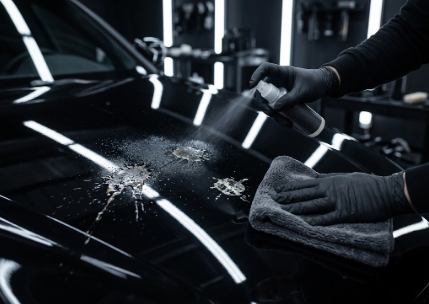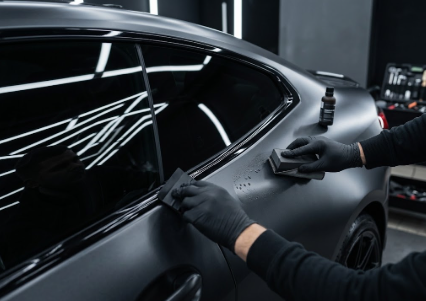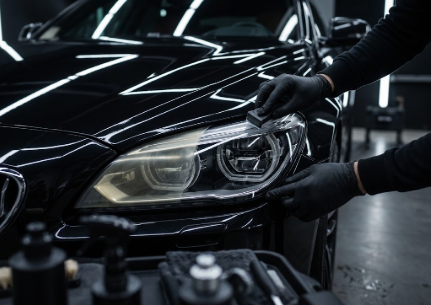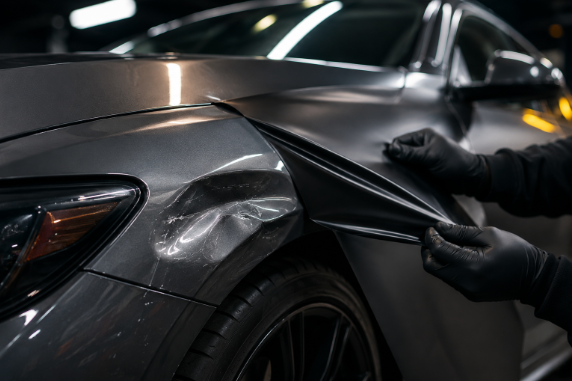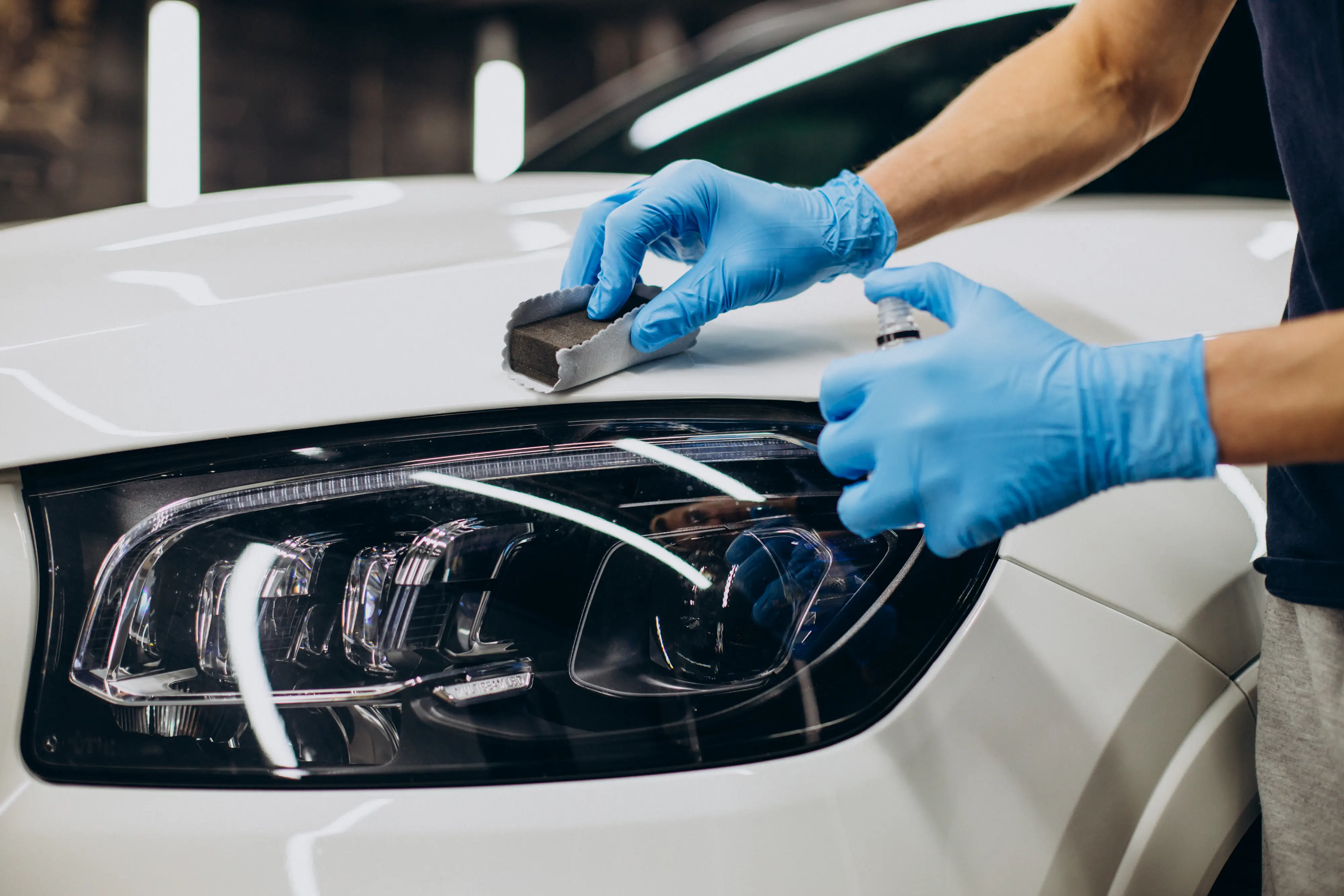
Midwest weather is notoriously unpredictable. In the Chicago area, spring and summer severe thunderstorms often bring unexpected, hard-hitting hail. Within seconds, a sudden hail storm can turn your smooth vehicle bonnet, roof, and side panels into a dimpled surface resembling a golf ball.
When faced with vehicle damage after a storm, finding reliable hail damage repair chicago solutions becomes an immediate priority. Traditionally, fixing hail damage meant leaving your vehicle at a body shop for weeks to undergo sanding, body filler, and full panel repainting.
Today, modern auto restoration relies on a superior, non-invasive method: Paintless Dent Repair (PDR). Here is why pdr for hail damage has become the gold standard for restoring your car's bodywork without compromising its original factory finish.
What is Paintless Dent Removal (PDR)?
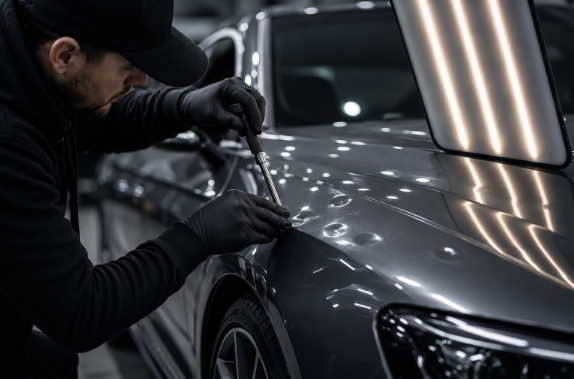
Paintless Dent Removal is a specialized craft that repairs minor to severe dents by massaging the metal back into its original shape from behind the panel. Using specialized hand tools, LED reflection lights, and custom rods, trained technicians gently push out indentations without disturbing the vehicle's original factory paint.
For surface areas where rear panel access is restricted, technicians use specialized glue pulling techniques to fix hail dents cleanly from the outside. Because no body fillers (like Bondo), sanding, or repainting are involved, PDR restores the vehicle to its exact pre-storm condition.
Key Advantages of PDR Over Traditional Auto Body Hail Repair
Comparing specialized PDR against conventional auto body hail repair highlights why vehicle owners and insurance companies overwhelmingly prefer paintless restoration:
1. Preserves Factory Paint & Vehicle Resale Value
Your vehicle’s original factory paint is applied under high-temperature, sterile robotic conditions that aftermarket body shops simply cannot replicate. Traditional repainting risks color mismatch, overspray, and clear coat peeling over time. By keeping the factory clear coat intact, paintless dent removal chicago technicians preserve your car’s original paint warranty and trade-in value.
2. Fast Turnaround (Quick Dent Repair)
A traditional body shop often takes 2 to 4 weeks to complete hail repairs due to panel removal, sanding, drying times, and paint booth scheduling. In contrast, PDR provides a true quick dent repair solution—most hail restoration projects are completed in just 2 to 5 days, getting you back on the road significantly faster.
3. Handles Severe Hail Damage Repair
A common misconception is that PDR only works on tiny dings. Modern severe hail damage repair techniques can successfully restore dozens—or even hundreds—of deep dents per panel, as long as the paint has not cracked or split.
4. Eco-Friendly Auto Care
Because PDR relies purely on mechanical manipulation and precision hand tools, it produces zero toxic fumes, chemical solvents, body filler dust, or paint waste, making it the greenest repair option available.
Navigating Insurance Hail Damage Claims in Chicago
Filing an insurance claim after a major storm can feel overwhelming, but utilizing PDR simplifies the process.
Under standard auto policies, hail impact is classified as a comprehensive loss (a non-collision environmental event). Filing an insurance hail damage car claim typically will not raise your individual premium rates.
Professional PDR specialists in Chicago work directly with major insurance adjusters. They utilize specialized scanning lights to document every dent, file detailed estimates, and handle the claim approval process directly on your behalf—often covering or waiving out-of-pocket deductible costs depending on the scope of work.
Understanding the Cost to Fix Hail Damage
Evaluating the cost to fix hail damage depends on several specific variables:
- Number of Dents: Hail damage is priced based on dent count per panel (e.g., hood, roof, trunk, quarter panels).
- Dent Size & Depth: Dents are typically categorized by coin sizes (dime, nickel, quarter, half-dollar, or larger).
- Panel Material: Aluminum and high-strength steel panels require specialized tools and technique adjustments compared to standard sheet metal.
While traditional body shop repainting can cost thousands of dollars per panel due to labor and paint materials, PDR is considerably more cost-effective. Because labor time is drastically reduced and no raw paint materials are consumed, PDR delivers higher quality at a lower overall repair cost.
Finding the Best Hail Repair Near Me in Chicago
When searching for reliable car hail repair near me, choosing an experienced local specialist is vital. Hail repair requires immense precision and specialized training; improper techniques can stretch the metal or crack the clear coat.
Look for a Chicago PDR facility that offers:
- Dedicated Hail Repair Specialists: Technicians trained specifically in high-volume storm damage restoration.
- Written Lifetime Warranties: Guaranteeing that repaired dents will never return or push back out over time.
- Complete Insurance Management: Shops that handle claims directly with insurance companies from estimate to final inspection.
The Verdict: Why PDR is the Ultimate Choice
When sudden Midwest hail strikes your vehicle, Paintless Dent Repair offers the most efficient, value-preserving restoration path available:
Choose Paintless Dent Repair (PDR) if: You want to preserve your car’s original factory paint, need your vehicle repaired quickly, want a smooth insurance claim process, and prefer an eco-friendly repair method.
Choose Traditional Body Shop Repair only if: The hail impact was so violent that the factory paint was physically cracked, chipped, or scraped down to bare metal.
By choosing PDR for your hail repair needs, you protect your vehicle’s factory finish, save valuable time, and restore your ride to its pre-storm glory.