When most drivers think about automotive window tinting, privacy and sleek exterior styling are usually the first things that come to mind. However, beneath its cosmetic appeal lies a far more functional benefit: preserving the condition and monetary value of your vehicle's cabin.
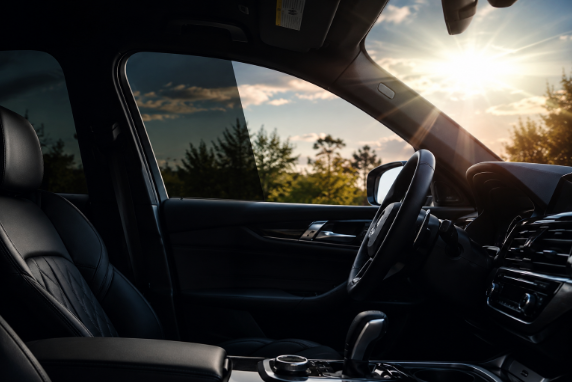
Every hour your car spends parked under direct sunlight, its glass acts as a magnifying glass for solar energy. Over time, relentless solar exposure causes irreversible sun damage car interior materials suffer from—bleaching upholstery, warping dashboards, and drying out high-end leather.
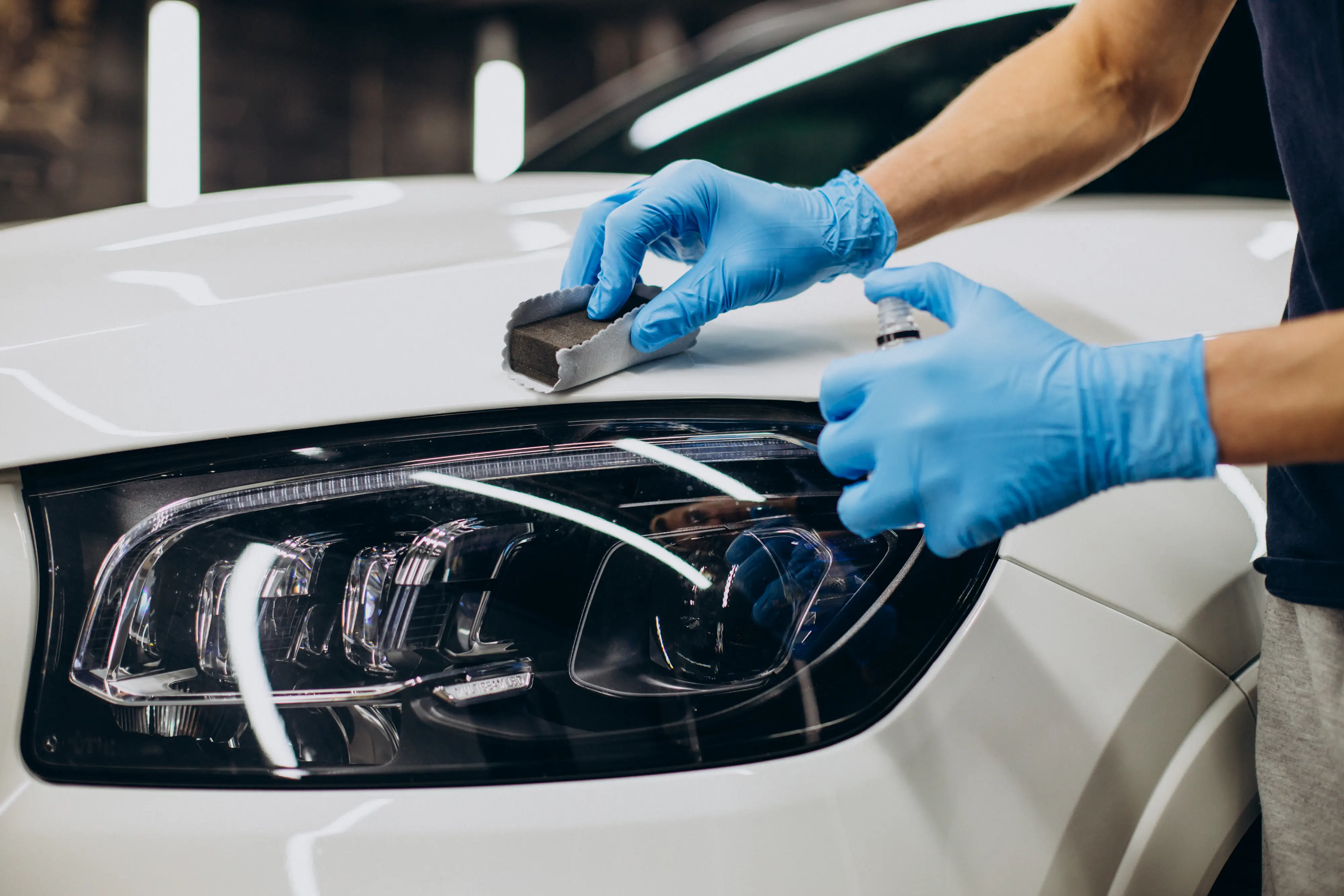
Installing high-performance window film interior protection is one of the most effective preventative investments you can make for your vehicle. Here is an in-depth look at how window film works, the science behind UV rejection, and why tinting is essential for preserving your car’s interior.
The Invisible Enemies: How Solar Energy Ruins Your Cabin
Solar radiation entering your vehicle consists of three primary components: Ultraviolet (UV) rays, Infrared (IR) radiation (heat), and Visible Light. Together, these elements cause a phenomenon known as photochemical degradation:
- Ultraviolet Rays (UV-A and UV-B): The primary driver of material breakdown. UV radiation breaks down the chemical bonds in dyes, polymers, and organic fibers.
- Infrared Heat: Thermal energy bakes your cabin, accelerating chemical degradation, drying out essential moisture in leather, and melting factory adhesives.
- Visible Light: Intense glare causes color fading and eye strain over time.
Without automotive film, factory glass allows up to 85% or more of these damaging rays to flood your cabin unabated.
The Science of Window Tint UV Protection
Quality automotive window film acts as a high-strength sunblock for your vehicle. Premium films offer broad-spectrum window tint uv protection, blocking up to 99% of harmful UV-A and UV-B rays.
This level of defense drastically slows down fading and structural breakdown across all interior materials:
- Fabric & Upholstery: Keeps carpets and cloth seats looking vibrant, helping to prevent faded car seats after years of summer driving.
- Leather Preservation: Helps protect leather car seats from sun exposure by stopping natural oils from evaporating, preventing stiffness, discoloration, and ugly surface cracking.
- Dashboards & Trim Panels: Prevents expensive vinyl dashboards and molded plastic door cards from warping, chalking, or developing unsightly stress cracks.
When searching for the best tint for uv rays, look for films tested and certified by skin and safety foundations for UV rejection performance.
Dark vs. Clear UV Tint: Busting the Darkness Myth
One of the most common misconceptions among car owners is that window film must be pitch-black to provide effective protection. When comparing dark vs clear uv tint, the science tells a very different story:
- Shade Does Not Equal UV Defense: A film’s darkness (measured by Visible Light Transmission or VLT) determines privacy and glare control—not UV blocking capability.
- Virtually Invisible Protection: Modern ceramic and clear infrared films can be completely transparent (allowing 70% to 80%+ VLT) while still blocking 99% of UV rays and significant solar heat.
- Legal and Windshield-Safe: Clear UV protection films are ideal for front windshields and side glass where state laws strictly regulate dark tint percentages.
You do not need dark windows to enjoy maximum interior preservation.
Blocking Solar Heat: Preserving Materials from the Inside Out
While blocking UV rays stops color fading, controlling thermal heat is equally vital. High cabin temperatures weaken stitching threads, expand trapped moisture inside leather foam, and cause vinyl dashboards to outgas—creating that sticky film that builds up on the inside of your windshield.
High-grade window films are specifically engineered to block sun heat in car cabins, rejecting up to 60% to 90%+ of total solar energy (TSER) and infrared heat. By keeping peak interior temperatures significantly lower during hot summer months, window film stops thermal baking before it ruins your trim.
Why Ceramic Film is the Ultimate Interior Defender
While basic dyed films absorb some heat and darken glass, nano-ceramic technology represents the gold standard in automotive solar control.
Key ceramic window tint benefits include:
- Maximum Infrared Heat Rejection: Microscopic ceramic particles selectively absorb and disperse infrared rays without relying on dark dyes or metallic layers.
- Zero Electronic Interference: Unlike older metallic films, ceramic films do not block cell phone signals, GPS navigation, satellite radio, or keyless entry systems.
- Exceptional Optical Clarity: Ceramic film maintains a distortion-free view day and night, reducing eye fatigue from blinding sun glare.
- Long-Term Durability: High-grade ceramic films will never fade to purple, bubble, or peel when professionally applied.
Professional Installation and Regional Climate Needs
Achieving maximum longevity for your film requires precision application in a dust-free environment. For vehicle owners seeking specialized auto tinting chicago services, professional installers ensure seamless edge wrapping, bubble-free adhesion, and compliance with Illinois tint laws.
Professional installation guarantees that your protective barrier remains distortion-free and fully warranted against manufacturing defects for as long as you own the vehicle.
The Verdict: Is Window Tinting Worth It for Interior Protection?
Investing in window film provides measurable long-term value for any vehicle:
Window tinting is a essential preventative maintenance upgrade if: You want to protect high-end leather, prevent fabric fading, eliminate dashboard cracking, lower cabin heat, and maintain the highest possible resale value for your vehicle.
By installing high-performance window film early in your ownership, you safeguard your car's interior against irreversible sun damage—ensuring your cabin stays comfortable, elegant, and pristine for years to come.